

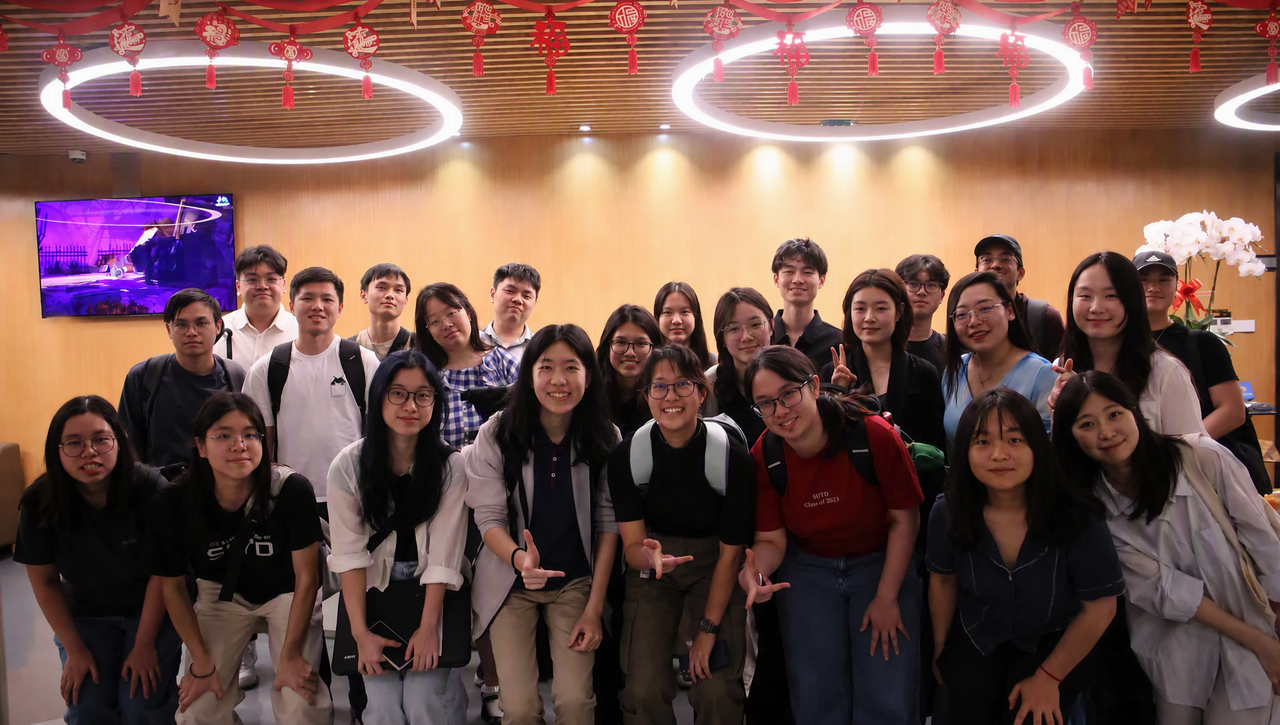
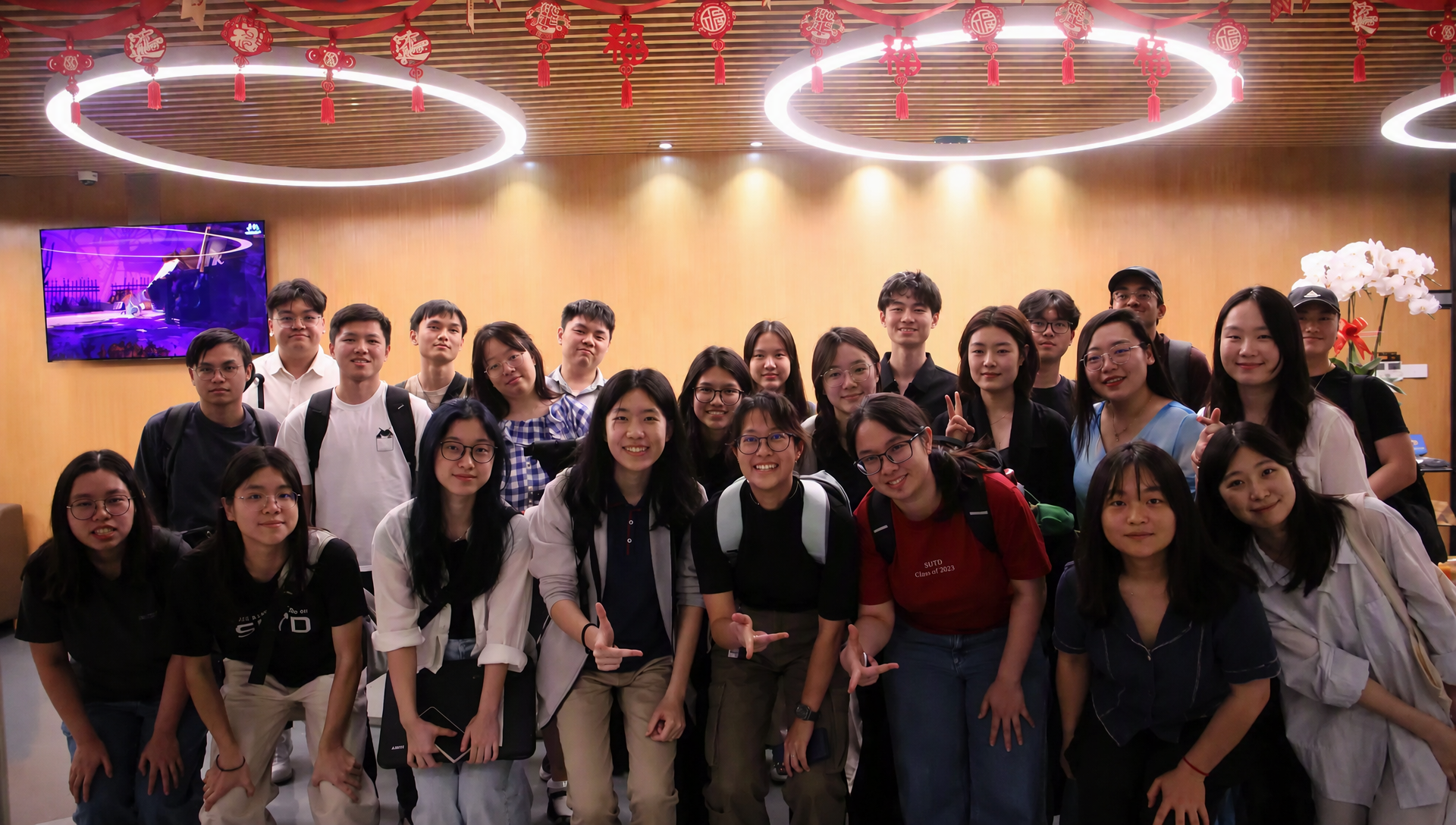
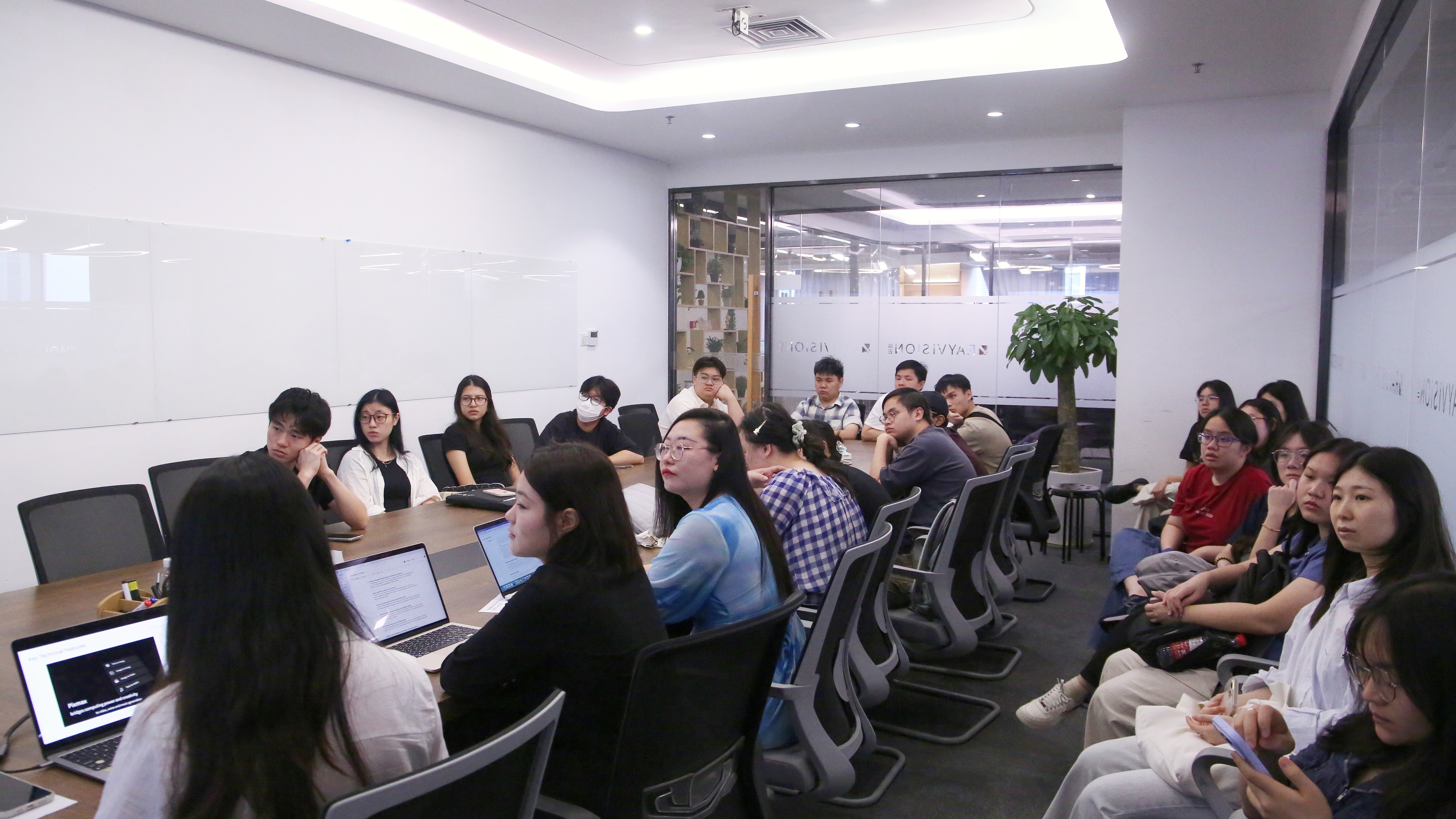
Pixmax recently welcomed a study tour from the Singapore University of Technology and Design (SUTD) for an on-site session focused on emerging AI trends, creative technology, and the practical workflows behind AI-powered content production.
Beyond the Model: Why Workflow Matters
As generative AI continues to reshape creative industries, the conversation is increasingly moving beyond what individual models can generate. For students, creators, and businesses alike, the more important question is how these technologies can be integrated into real production environments — where iteration speed, creative control, consistency, and collaboration all matter.
The SUTD visit provided an opportunity to explore these questions through a combination of discussion and hands-on experimentation.
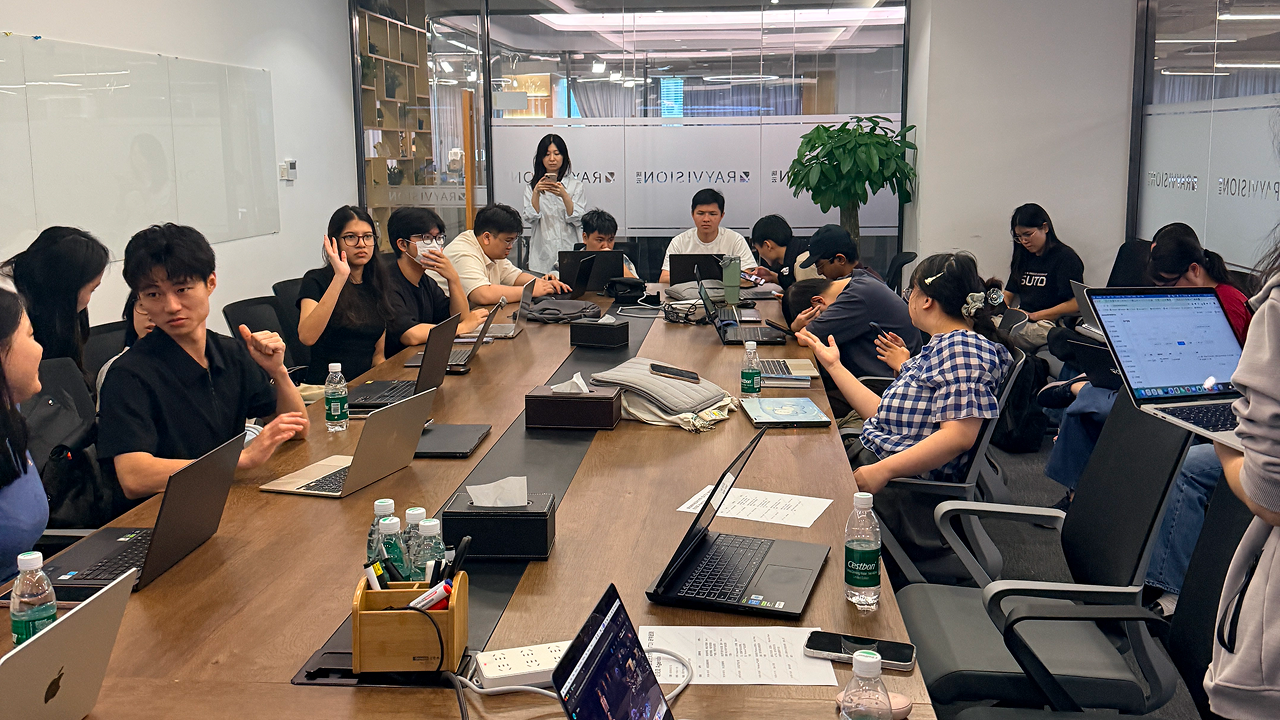
Inside the Workshop
A Canvas-Based, Multimodal Approach
During the session, students were introduced to Pixmax's multimodal creative workflow and canvas-based approach to AI production. Rather than working with isolated prompts or one-off generations, the workshop focused on how different creative steps can be connected within a single workflow — from initial concepts and visual references to image and video generation, iteration, and refinement.
Hands-On Experimentation
Students were also able to test the platform directly and explore how AI tools behave in practical creative scenarios. This included experimenting with different generation approaches, comparing outputs, adjusting creative directions, and observing how quickly ideas could move from an early concept into a more developed visual result.
A Broader Shift in the AI Industry
The workshop reflected a broader shift taking place across the AI industry. As generative models improve, the value of AI creation is becoming less dependent on a single impressive output and more dependent on the workflow surrounding it. Production-ready AI requires tools that allow users to experiment rapidly while maintaining control over assets, visual direction, and multiple stages of the creative process.
For students studying technology and design, this creates a particularly relevant area of exploration. The boundaries between engineering, design, media, and creative production are becoming increasingly interconnected, and AI is accelerating that convergence.
Why the SUTD Exchange Made Sense
SUTD's interdisciplinary approach to technology and design made the exchange especially relevant. The visit offered students a closer look at how emerging AI technologies are being translated into products and workflows used in real creative environments, while also creating space for discussion around the opportunities and practical challenges that come with building AI-powered tools.
For Pixmax, engaging with students and academic communities is also an important part of understanding how the next generation of creators and technologists will interact with these systems. New users often approach AI tools with different expectations, workflows, and creative instincts, providing valuable perspectives on how these platforms can evolve.
Looking Ahead: AI, Education, and Creative Production
Looking ahead, AI-assisted creation is expected to become increasingly embedded in mainstream creative production. As models become more capable, the focus will continue shifting toward usability, workflow design, multimodal integration, and the ability to turn experimentation into repeatable production processes.
The Role of Education
Education will play an important role in that transition. Giving students opportunities to work directly with emerging AI tools can help bridge the gap between theoretical understanding and practical application. At the same time, closer exchange between academia and industry can encourage more thoughtful conversations about how these technologies should be designed, developed, and used.
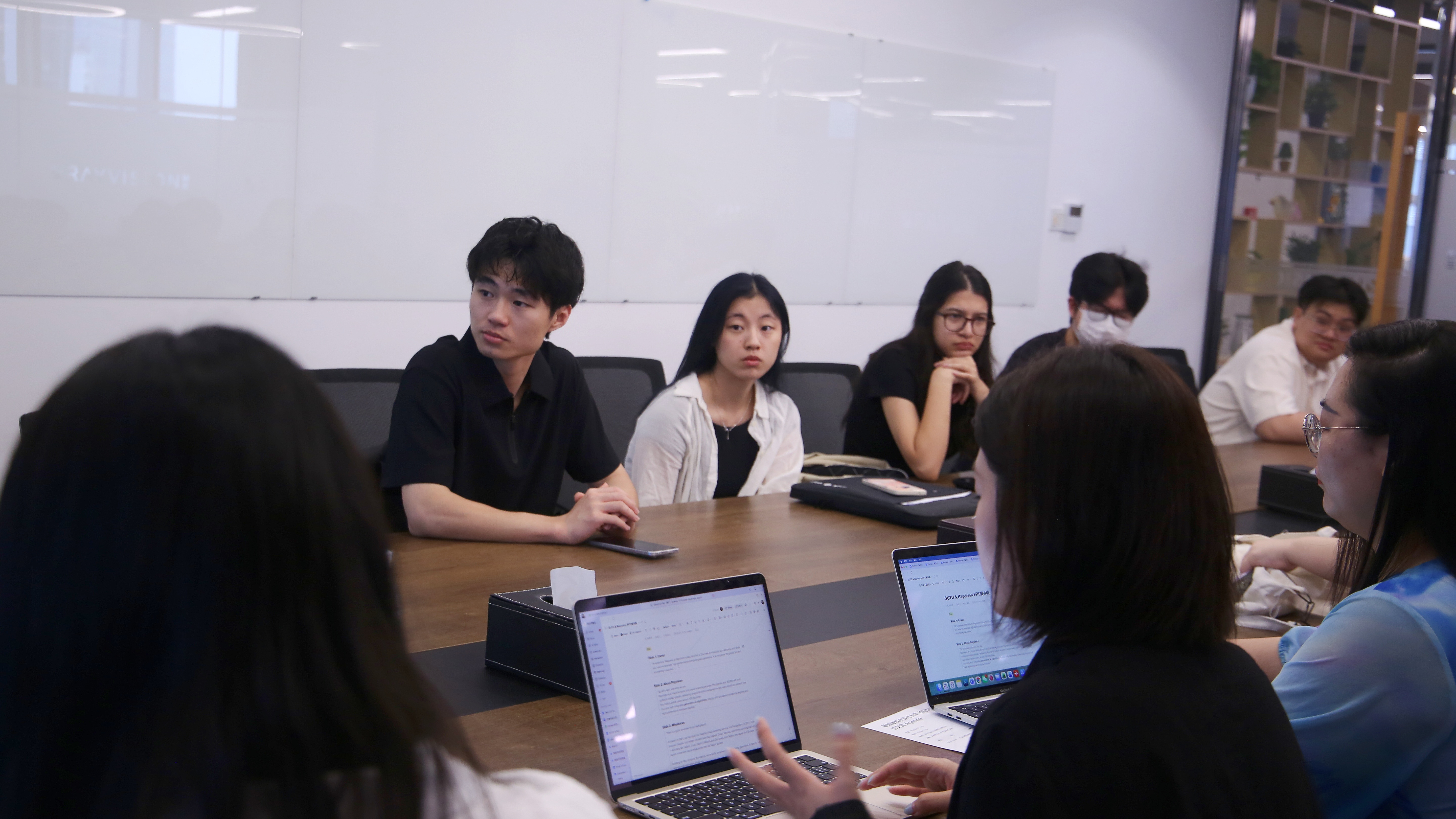
The SUTD study tour was a small but meaningful example of that connection — bringing together academic curiosity and real-world AI workflows in the same room.
Looking Forward
Pixmax looks forward to continuing these exchanges and supporting more opportunities for students, creators, and emerging talent to explore how AI can become not simply a generation tool, but a practical part of the creative process.