

Quick Answer
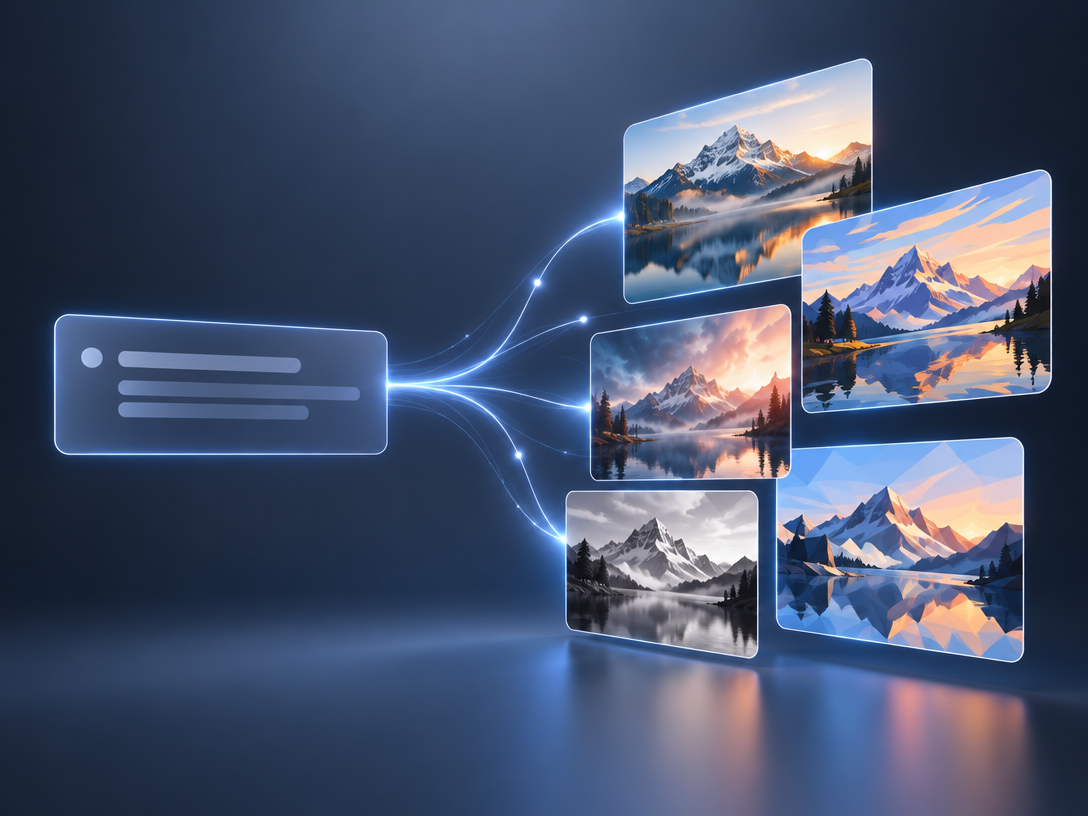
There is no single best AI image generator in 2026. GPT Image 2 leads for accuracy and prompt-following. Midjourney V8.2 dominates artistic quality. Nano Banana Pro is the strongest free option. FLUX.2 excels at developer control and photorealism. Adobe Firefly is the safest for commercial licensing. Ideogram is unmatched for text inside images.
For teams using multiple models, Pixmax aggregates GPT Image 2, Midjourney V8.2, Nano Banana, Seedream, FLUX and more — under one subscription.
The right pick depends on what you actually make. A solo marketer creating social posts has different needs than a studio producing brand assets at volume.
How We Tested the AI Image Generators
We evaluated each AI image generator across six dimensions: image quality, prompt adherence, text rendering, editing capability, free access, and pricing transparency. We cross-referenced independent benchmarks from the Artificial Analysis Text-to-Image Arena, hands-on testing from CNET, Zapier, Envato, and Dupple, plus real-user feedback from Reddit communities including r/StableDiffusion, r/midjourney, and r/AIAssisted.
💡 Prompt for AI Image Generators
We will take the same prompt to generate images between different AI image models; you can use the prompt below as well:
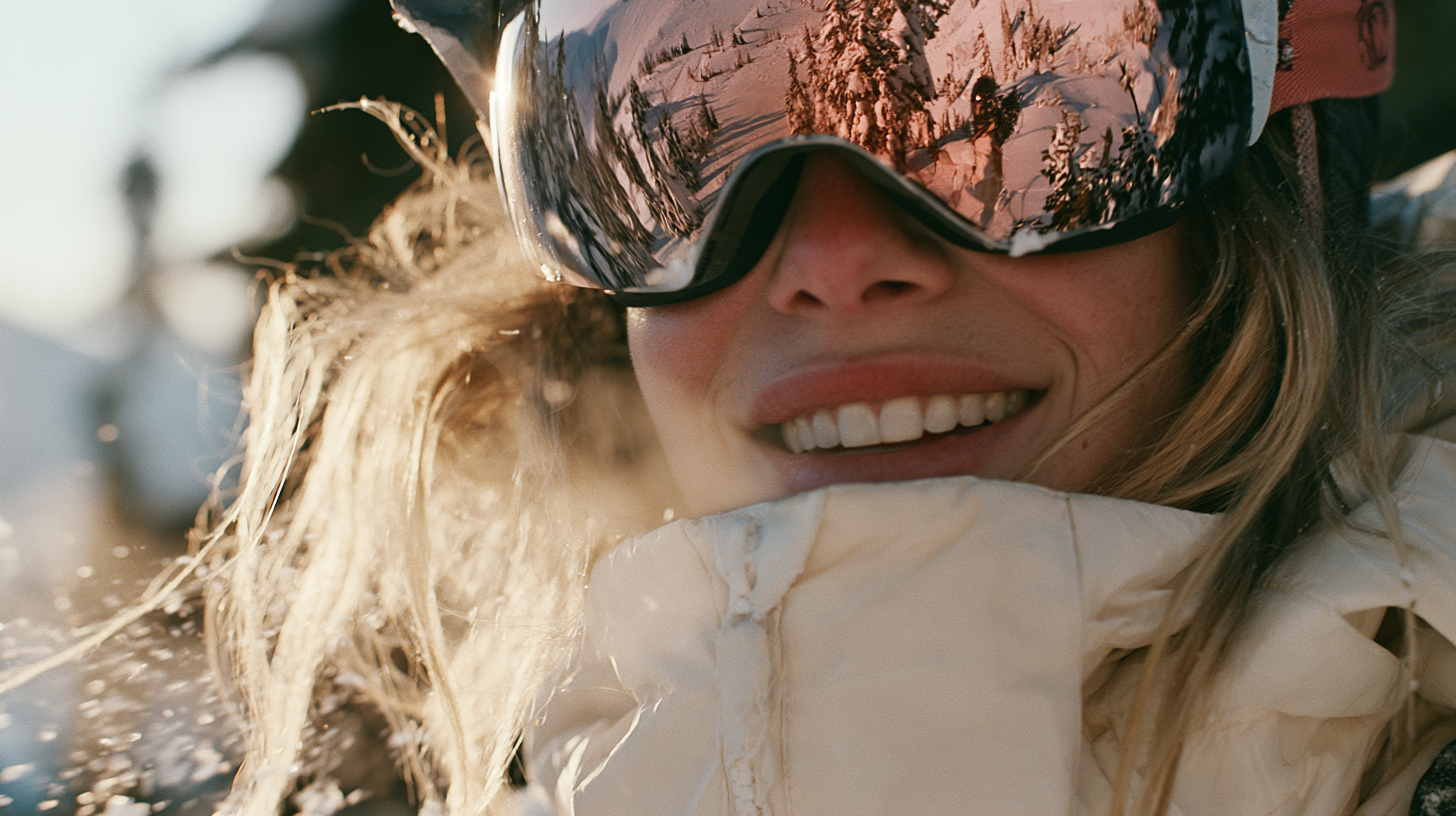
A cinematic medium close-up shot of a beautiful young Caucasian girl skiing in a North American alpine winter forest. She has just come to a stop, slightly pulling down her neck gaiter, exhaling a visible cloud of white breath in the freezing air. She has a radiant, healthy, all-American smile. Her prominent nose bridge and tip are flushed red from the cold. She wears large, highly reflective snow goggles that clearly mirror the snowy mountains and pine trees ahead. A few crystal-clear snowflakes rest on her thick, golden-brown eyelashes. She is wearing high-quality cream-white ski wear. A few strands of messy, wavy blonde hair escape from under her helmet. The background is a tranquil, dense snow-laden pine forest. The scene is illuminated by warm Golden Hour sunlight, with the low-angle orange sun perfectly highlighting the sparkling crushed-diamond snow powder in the air, her frosty nose, and the translucent snowflakes. Soft, natural "I'm cold" winter makeup with flushed cheekbones and hydrated lips. Shot on 85mm lens, photorealistic, highly detailed, cinematic lighting, winter aesthetic, 8k resolution --ar 16:9 --style raw --v 6.0
Prompt Breakdown (How to customize):
- Aspect Ratio (`--ar 16:9`): Sets the cinematic widescreen frame typical of commercials.
- Lighting & Atmosphere: The "Golden Hour" and "crushed-diamond snow powder" keywords directly translate your Director's Notes into visual lighting instructions, ensuring the glittering snow and translucent eyelash flakes render beautifully.
- Subject Details: Combines the outfit, makeup, hair, and the specific "red nose/goggle reflection/snowflake on eyelashes" details from Shot 04 and Shot 05 to create the perfect emotional key frame.
This article was last updated in August 2026. AI image models change fast — we review regularly and note update dates on each product section.
Top AI Image Generators At a Glance
| Tool | Best For | Free Tier | Entry Price | Standout |
|---|---|---|---|---|
| Pixmax | Multi-model workflow | Free credits | Pay-per-credit | 15+ models, one platform |
| GPT Image 2 | Accuracy, overall | Limited | $20/mo | #1 on Arena leaderboard |
| Midjourney V8.2 | Artistic quality | No | $10/mo | Best aesthetics |
| Nano Banana Pro | Free photorealism | Yes | Free / API | Best free option |
| FLUX.2 | Developer control | Self-host | ~$0.03/image | Open-weight, photorealism |
| Adobe Firefly | Commercial safety | 25 credits/mo | $9.99/mo | IP indemnification |
| Ideogram 3.0 | Text in images | Yes | $8/mo | 90-95% text accuracy |
| Leonardo AI | Character consistency | 150 tokens/day | $10/mo | Model variety |
1. Pixmax — Best for Teams Using Multiple Models
Pixmax is an all-in-one creative platform that gives you access to 15+ leading AI image and video models — including GPT Image 2, Midjourney V8.2, Nano Banana Pro, Seedream 5.0 Pro, and Seedream 5.0 Lite — through a single interface. Instead of paying separate subscriptions for each tool, you generate images with different models within the same project workspace.
Pros
- Switch between Midjourney V8.2 for artistic work and GPT Image 2 for accurate text layouts in one session
- Visual workflow chains text, image, and video tasks together
- Team collaboration with real-time co-creation
- Free credits to test multiple models before committing
Cons
- Not a model provider itself — aggregates third-party models, so performance depends on the underlying service
- Less established than individual platform subscriptions
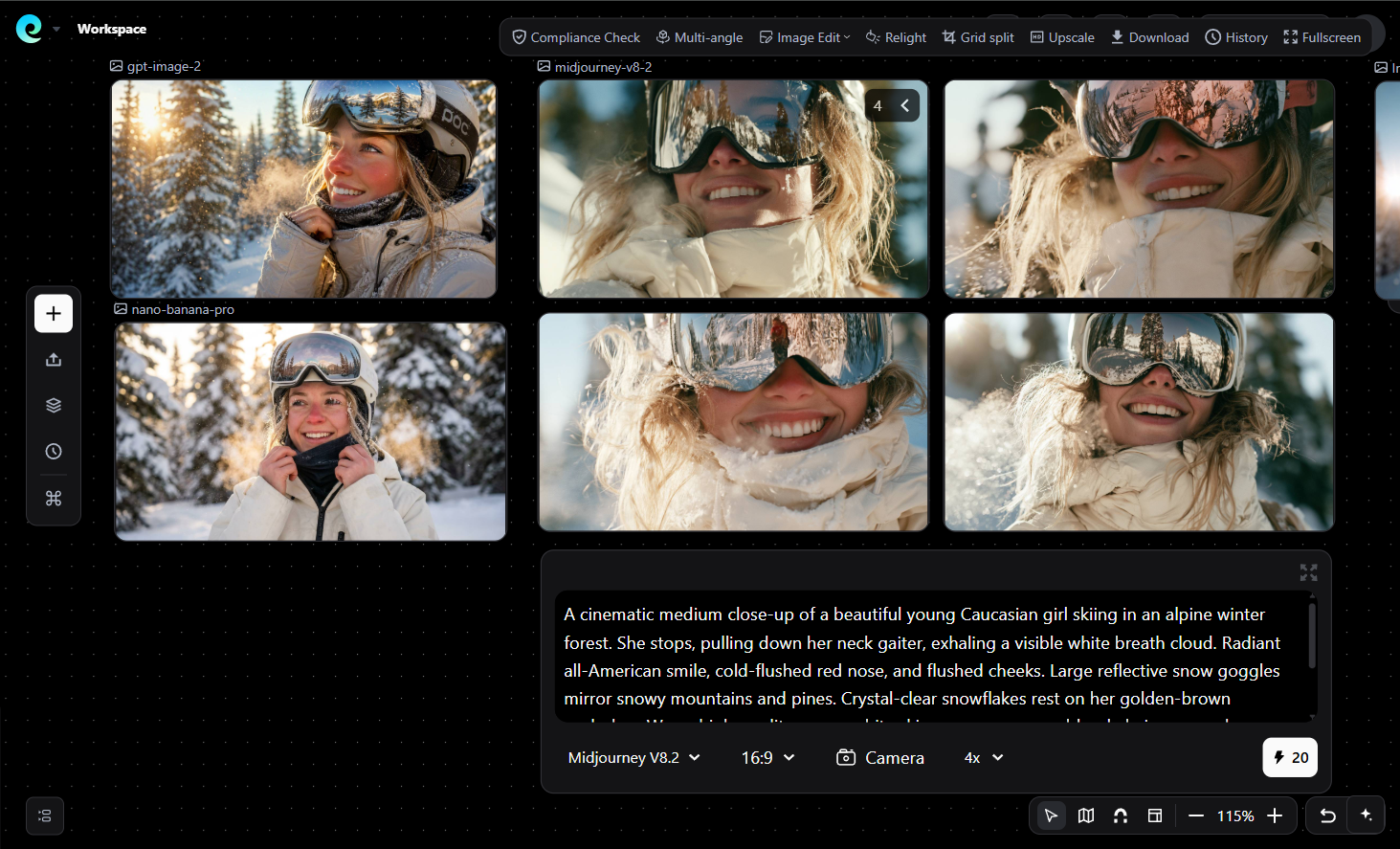
One Prompt, 10 + AI Image Models, One Platform
I previously saw that Pixmax supports 10+ image generation models, which is really convenient for me. Below are images generated by GPT Image 2, Midjourney v8.2, and Nano Banana Pro—each has its own strengths and character. But if we're talking about value for money, GPT Image 2 is still the way to go.
Best for: Teams and creators who regularly use various AI image models and want one workspace instead of five logins.
2. GPT Image 2 — Best Overall for Accuracy
GPT Image 2, built into ChatGPT, took the #1 spot on the Artificial Analysis arena with a +242 Elo lead — a jump that typically takes multiple model upgrades. It excels at understanding complex scene instructions, rendering readable text, and enabling conversational revisions.
Pros
- Best prompt adherence of any current model
- Excellent text rendering inside images
- Conversational editing through ChatGPT
- Available free with limits
Cons
- Slower renders (43-70 seconds per image)
- Stricter content filters than local tools
- Only generates one image at a time
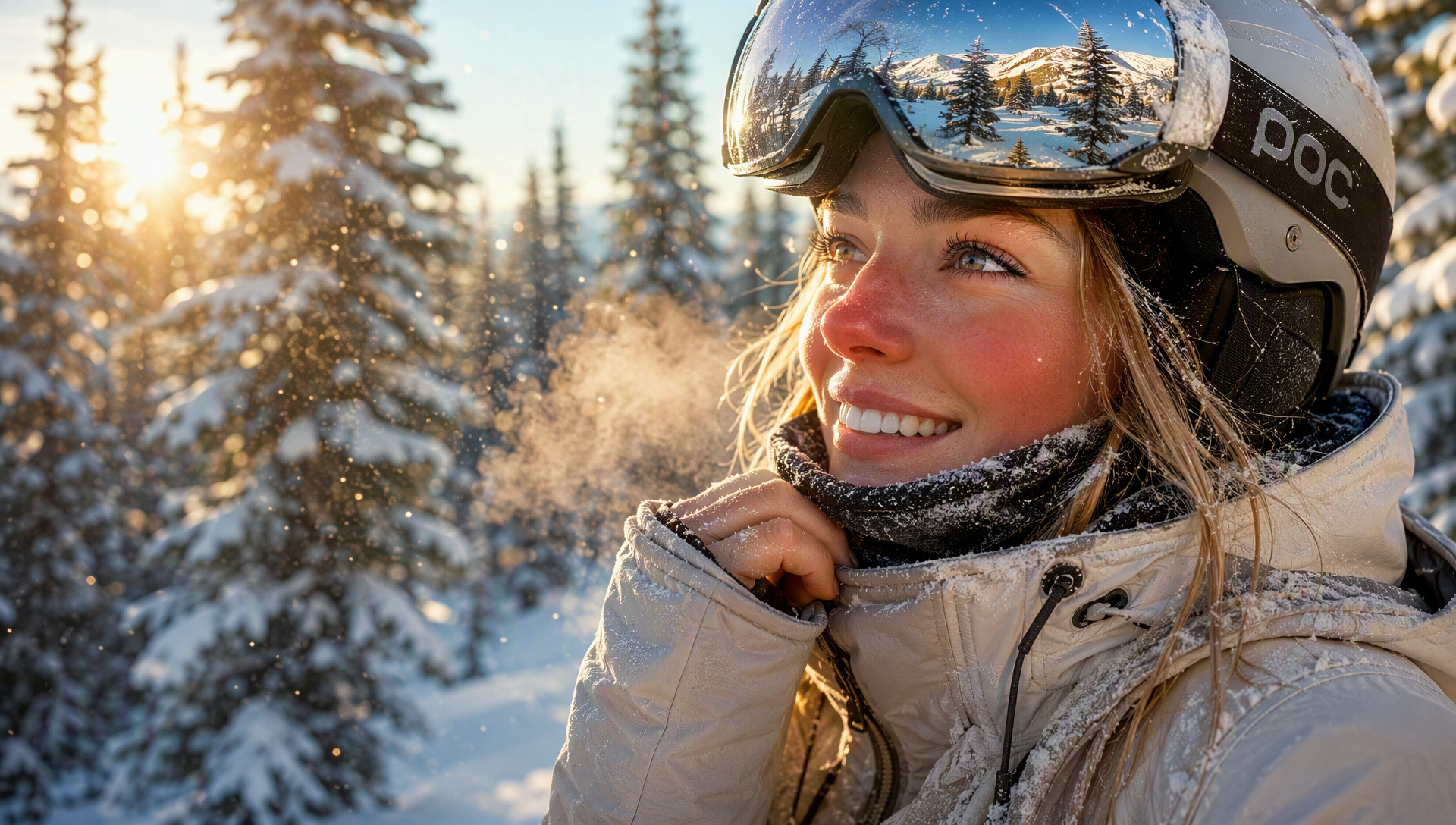
Verdict: Strong Realism, Minor Tells
The goggle reflection nails a hard case — accurate mountain backdrop, correct perspective. Skin texture, cold flush, and backlit snow particles all read as physically real, not synthetic. Minor deductions for soft hair edges and slightly off helmet-logo text.
Overall: strong photorealism, only nitpick-level flaws.
Best for: Bloggers, marketers, and non-designers who want reliable results without learning prompt syntax.
Price: Free with limits; ChatGPT Plus at $20/month; Pro at $200/month. API: ~$0.005-$0.21 per image.
3. Midjourney V8.2 — Best for Artistic Quality
Midjourney V8.2 remains the aesthetic benchmark. Its default output delivers polished, cinematic compositions that other tools are measured against. The latest V8.2 model renders faster than V5 and holds fine detail noticeably better, with improved prompt adherence over earlier versions.
Pros
- Most visually polished, art-directed output available
- Fast grid generation (4 variants in ~16 seconds)
- Strong community and style-tuning tools
- Web app now replaces Discord bot
Cons
- No free tier (free trials suspended)
- This model has a prompt length limit of 1,024 characters.
- Weak text rendering (~30-40% accuracy vs. 90%+ for Ideogram)
- Images public by default on lower tiers
- Midjourney vs. Disney lawsuit pending
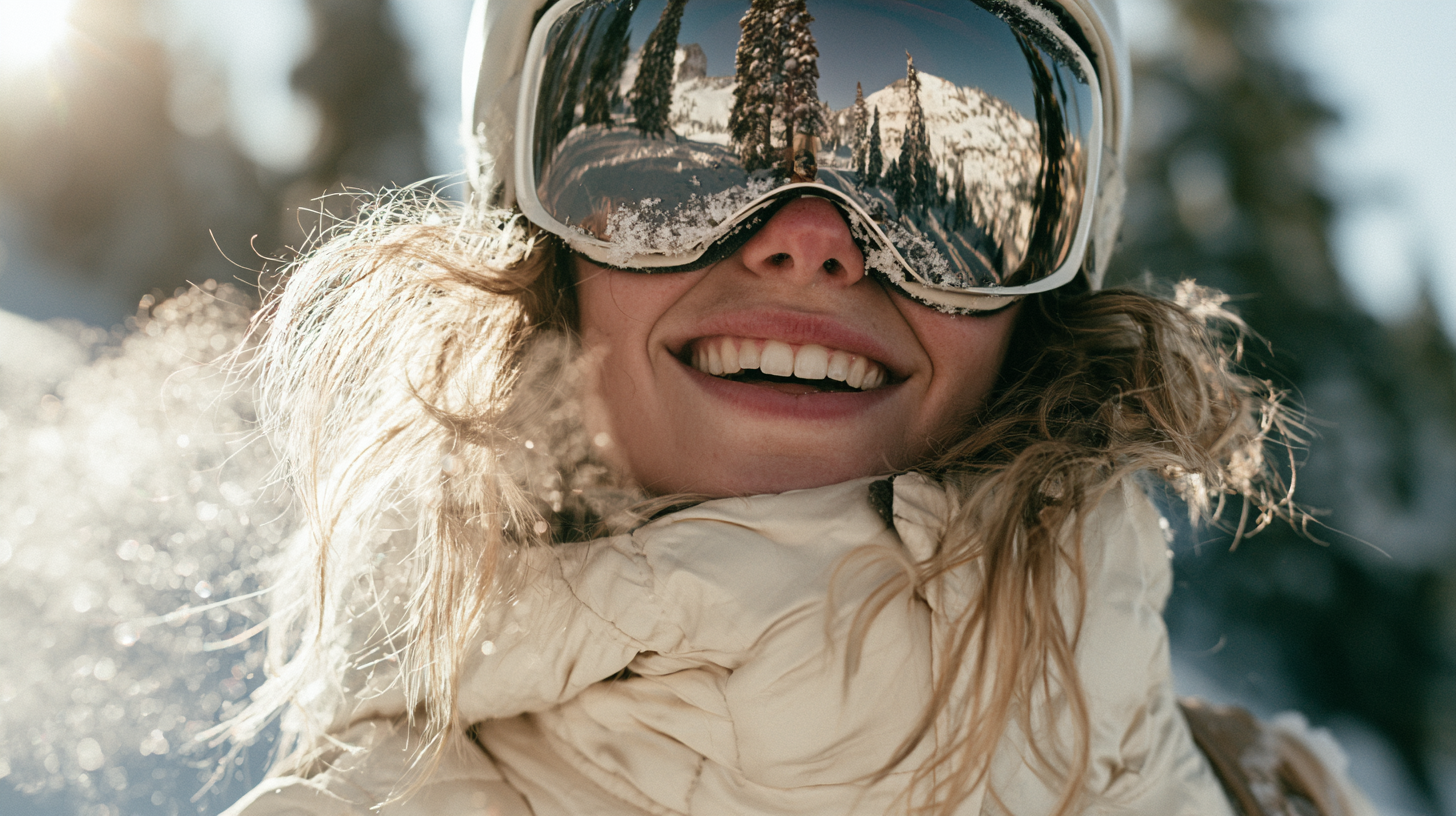
Verdict: Excellent Realism
Wind-blown hair strands separate naturally in the backlight — a common weak point for AI models. Snow spray has real sparkle and depth falloff, and the goggle reflection holds a coherent, correctly-angled mountain scene. Skin and teeth read naturally under harsh sun. Minor nitpick: a few strands blend into the jacket fur. Overall: top-tier photorealism.
Best for: Designers, art directors, and creative teams where visual impact matters more than literal accuracy.
Price: Basic $10/mo (~200 images), Standard $30, Pro $60, Mega $120.
4. Nano Banana Pro — Best Free AI Image Generator
Google's Nano Banana Pro (Gemini 3 Pro Image) offers flagship-quality photorealism with daily free limits inside the Gemini app. It supports native 4K output and conversational editing.
Pros
- Best free option with flagship-quality output
- Native 4K resolution
- Excellent at editing existing images
- Integrates with Google Docs and Slides
Cons
- Takes creative liberties with strict briefs
- Visible watermark on free/Pro tiers
- Daily generation caps on free plan
- SynthID invisible watermark included
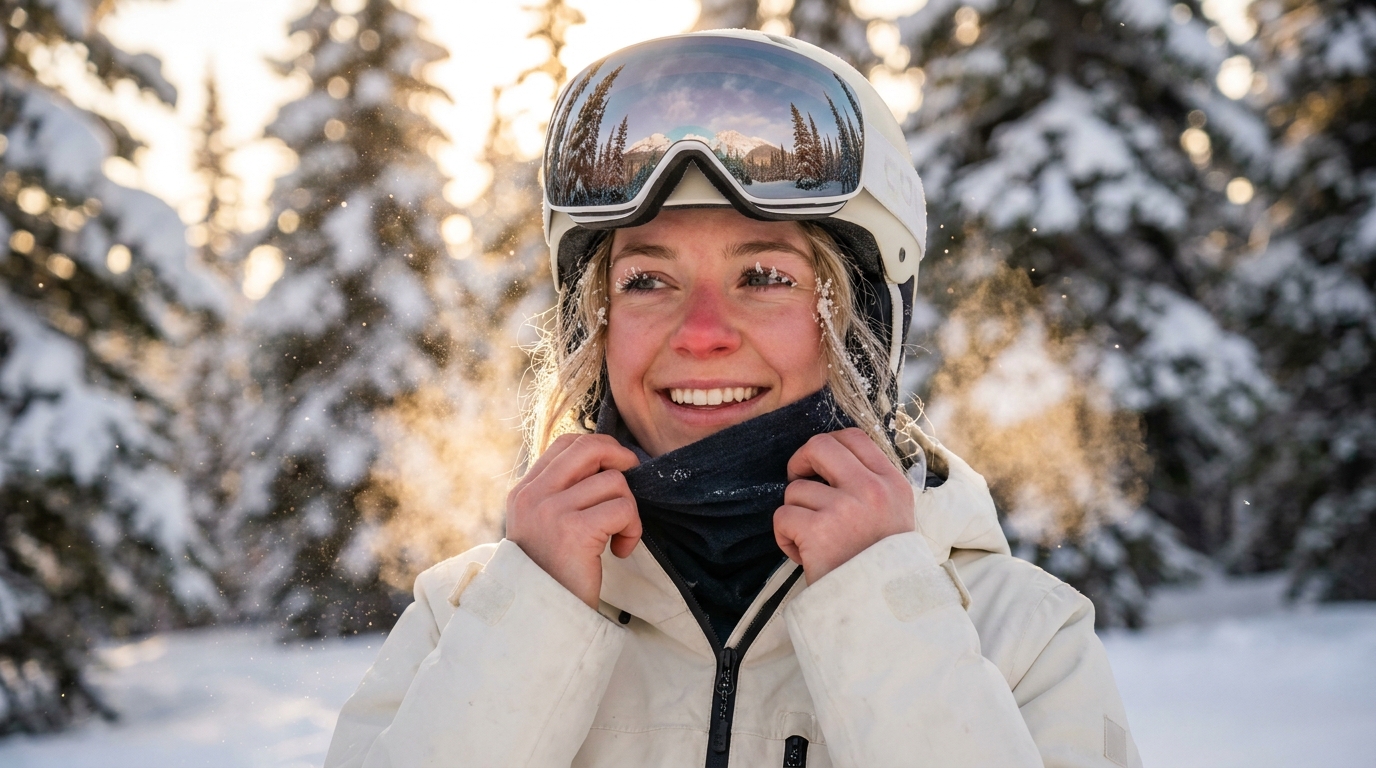
Verdict: Excellent Realism, Best Composition
Both hands correctly grip the collar with accurate finger overlap and fabric bunching — a common failure point AI models get wrong. Frost-crusted eyelashes and eyebrows add convincing micro-detail, and the golden backlit bokeh through the trees feels like genuine lens optics rather than a flat blur. The goggle reflection again holds a coherent snowy landscape. Skin texture and the wind-flushed cheeks read naturally. Overall: top-tier photorealism with the most naturally staged pose of the three.
Best for: Google ecosystem users, students, and creators on a budget.
Price: Free with daily limits; Google AI Plus $4.99/mo; AI Pro $19.99/mo.
5. FLUX.2 — Best for Developer Control
FLUX.2 from Black Forest Labs is the only frontier-quality image model with serious open-weight releases. It delivers photorealistic output at ~4.5 seconds with self-hosting options.
Pros
- Open-weight model you can self-host and fine-tune
- Strong photorealism and prompt adherence
- No data leaves your server when self-hosted
- Second-cheapest paid option (~$0.03/image)
Cons
- No polished consumer app — requires technical setup
- 16GB+ VRAM recommended for local use
- Licensing varies by version
Best for: Developers, privacy-sensitive teams, and anyone building image generation into their own product.
Price: API ~$0.03-$0.06/image; free if self-hosted.
6. Adobe Firefly — Best for Commercial Safety
Adobe Firefly is the only major AI image generator trained exclusively on licensed Adobe Stock content, with commercial IP indemnification for outputs. For agencies and brands where copyright risk matters, that's a documented advantage no competitor matches.
Pros
- Commercial IP indemnification — Adobe covers legal exposure
- Deep Photoshop integration (Generative Fill, Generative Expand)
- Now routes to partner models (GPT Image 2, Nano Banana) inside the same interface
- Content Credentials documenting how each image was made
Cons
- Raw image quality trails Midjourney, Nano Banana Pro, and FLUX.2
- Credit system is confusing across plans
- You're paying partly for legal peace of mind, not raw quality
Best for: Agencies, brand teams, and anyone whose legal team requires training-data provenance.
Price: 25 free credits/mo; Standard $9.99/mo (2,000 credits); Pro $19.99/mo; Photoshop from $19.99/mo with 1,000 credits.
7. Ideogram 3.0 — Best for Text Rendering
Ideogram solves a historically hard problem: getting legible, correctly spelled text inside generated images. Its 4.0 algorithm achieves 90-95% text accuracy — compared to 30-40% for most competitors.
Pros
- 90-95% text accuracy — far above competitors
- Free tier with 10 prompts/day
- Batch generator for spreadsheet-based prompts
- Character creator for consistent people across scenes
Cons
- Images public by default on free plan
- General image quality good but not class-leading
- Monthly credits expire with no rollover
Best for: Poster designers, social media creators, and anyone producing text-heavy visuals.
Price: Free (10 prompts/day); Basic $7/mo (400 prompts); Plus $15/mo; Pro $42/mo.
8. Leonardo AI — Best for Character Consistency
Leonardo AI gives access to dozens of fine-tuned models including Phoenix (all-purpose), Kino XL (cinematic), and community-uploaded niche styles. Its Character Reference feature keeps the same face across multiple images.
Pros
- 150 free tokens daily — one of the most generous free tiers
- Dozens of fine-tuned and community models
- Strong character consistency tools
- Now owned by Canva (acquired 2024)
Cons
- Token economy means heavy users hit limits fast
- Interface has a learning curve
- Photorealism trails FLUX.2 and Nano Banana Pro
Best for: Game developers, comic artists, and illustrators needing consistent characters across a series.
Price: Free (150 tokens/day); paid plans from $10/mo.
How to Choose the Best AI Image Generator
Don't pick by leaderboard rank. Pick by what you actually make.
- You want one tool for everything and you're not a designer. GPT Image 2 in ChatGPT, or Nano Banana Pro if you live in Google's apps.
- You make art, concepts, or anything where look matters most. Midjourney V8.2, with Leonardo AI as backup for consistent characters.
- You generate text-heavy graphics, posters, or social headlines. Ideogram 3.0.
- You need logos, icons, or scalable vector assets. Recraft — nothing else exports clean SVG.
- You're a developer, or you need data privacy. FLUX.2 for self-hosting, Adobe Firefly for commercial safety.
- You use 2+ models regularly and want one workspace. Pixmax aggregates GPT Image 2, Midjourney V8.2, Nano Banana, Seedream and more under one subscription.
The cheapest move is to start free. GPT Image, Nano Banana, Ideogram, Adobe Firefly, and Leonardo AI all have real free tiers. Run your actual prompts through two or three before paying.
Frequently Asked Questions
What is the best AI image generator in 2026?
GPT Image 2 is the best all-around pick — it tops the public Arena leaderboard and renders text more accurately than almost anything. For pure artistic quality, Midjourney V8.2 still wins. The "best" tool depends on what you're making.
Which AI image generator is best for free?
Google's Nano Banana inside the Gemini app is the strongest free option, offering flagship-quality output with daily limits. ChatGPT's free tier also includes GPT Image with limits. Adobe Firefly gives 25 free credits monthly.
Which handles text in images best?
Ideogram 3.0 achieves 90-95% text accuracy — far above Midjourney and Stable Diffusion at 30-40%. GPT Image 2 has closed the gap and is a strong second choice for complex layouts.
Can I use AI-generated images commercially?
Adobe Firefly provides explicit IP indemnification. Most paid plans on other tools include commercial rights, but always check the terms for your specific tier. Midjourney V8.2 requires a paid membership for commercial use.
Is Midjourney still worth paying for in 2026?
Yes, if aesthetic quality is your priority. Midjourney V8.2 produces the most polished, art-directed output available. But for text-heavy work, prompt accuracy, or free access, GPT Image 2 and Nano Banana Pro have overtaken it.
What is FLUX.2 and why do developers like it?
FLUX.2 from Black Forest Labs is the only frontier-quality image model with open-weight releases — meaning developers can self-host it, fine-tune it, and keep images fully private. It leads on photorealism and costs roughly $0.03/image through the API.
Conclusion
The best AI image generators in 2026 each serve a distinct strength: GPT Image 2 for accuracy, Midjourney V8.2 for aesthetics, Nano Banana Pro for free access, FLUX.2 for developer control, Adobe Firefly for commercial safety, and Ideogram for text rendering. Instead of committing to a single subscription, many creators combine tools or use a multi-model platform like Pixmax to match the right model to each project. Start with the tool that fits your primary use case, test with free tiers where available, and scale as your needs grow.